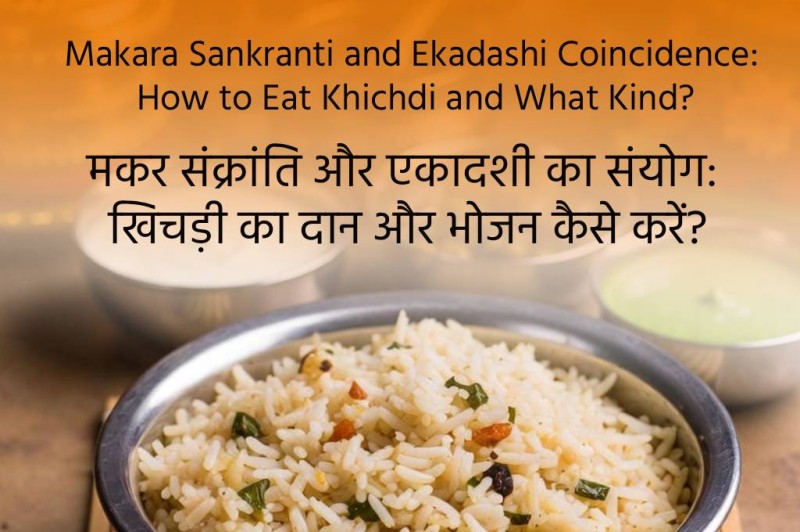
In Indian culture, festivals hold immense significance. Makara Sankranti celebrates the Sun's northward journey (Uttarayana), where donating and eating til-gud and rice khichdi is considered highly auspicious. On the other hand, Ekadashi is a day of fasting dedicated to Lord Vishnu, where grains (especially rice and wheat) are strictly forbidden. However, in 2026, a rare coincidence occurs—Makara Sankranti falls on Ekadashi tithi (January 14). This creates a dilemma for devotees: How to manage khichdi donation or consumption? Let's explore solutions based on religious texts, scholars' opinions, and traditions.
Makara Sankranti marks the Sun's entry into Capricorn, one of the most auspicious days of the year. Donating khichdi (rice and moong dal) to the needy is believed to bring immense merit, as it's nutritious and sattvic in winter. Ekadashi, however, is for Vishnu worship. As per Padma Purana and Vishnu Purana, consuming grains on this day nullifies the fast's benefits. Rice, being tamasic, is particularly prohibited.
When both align, devotees face a tough choice: Break the fast for Sankranti or skip the tradition? Scriptures prioritize the sanctity of the fast.
Religious experts advise:
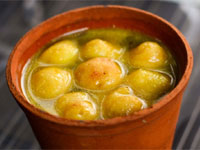
Skip rice but enjoy "khichdi-like" dishes compliant with Ekadashi rules:
Continue til-gud intake, as it's vrat-friendly. These options let you celebrate Sankranti's essence while upholding Ekadashi.
This rare alignment in 2026 is divine play, teaching equilibrium in rituals. Prioritize Ekadashi's purity, but don't miss Sankranti's donation the next day. Vrat-friendly khichdi ensures joy without guilt. Remember, true devotion stems from the heart, not just food. May both festivals bring double blessings!
(References: Religious texts and scholars' views. Consult a local pandit for personal guidance.)