In Sanatan Dharma, Charan Sparsh (touching feet) is a profound gesture of respect, devotion, and seeking blessings. It symbolizes humility and strengthens bonds between elders, gurus, saints, and the younger generation. However, did you know this tradition comes with strict rules? Touching certain people's feet is forbidden, as it can lead to sin (paap). According to religious texts like Manusmriti, Vishnu Purana, and guidance from acharyas, improper Charan Sparsh can harm both parties spiritually. In this blog, we'll explore these rules to help you honor traditions mindfully.
Charan Sparsh isn't mere formality—it's a spiritual exchange of positive energy. It fosters guru-shishya, parent-child, or elder-youth connections. But violating rules invites negative karma. Always consider purity, relationship dynamics, and context before proceeding. Let's dive into key prohibitions:
Touching the feet of unmarried girls (pre-marital daughters) is prohibited in scriptures. An unmarried girl embodies divine feminine energy (Shakti), and such contact disrupts her purity. If she attempts to touch your feet, gently stop her to avoid sin. Remedy: Touch the feet of young girls or children for their blessings—they represent the mother goddess.
Fathers should never touch their daughters' feet. Daughters are revered as Lakshmi (goddess of prosperity) in the home, and this act invites sin upon the father. Daughters too should avoid touching their father's feet. Remedy: Offer pranam (bow) instead—preserves the sacred bond.
In some communities, daughters-in-law may touch their mother-in-law's feet, but never the father-in-law's. As the household Lakshmi, a bahu touching her father-in-law's feet is deemed inappropriate. Remedy: Use salutation or pranam for respect; follow regional customs for mother-in-law.
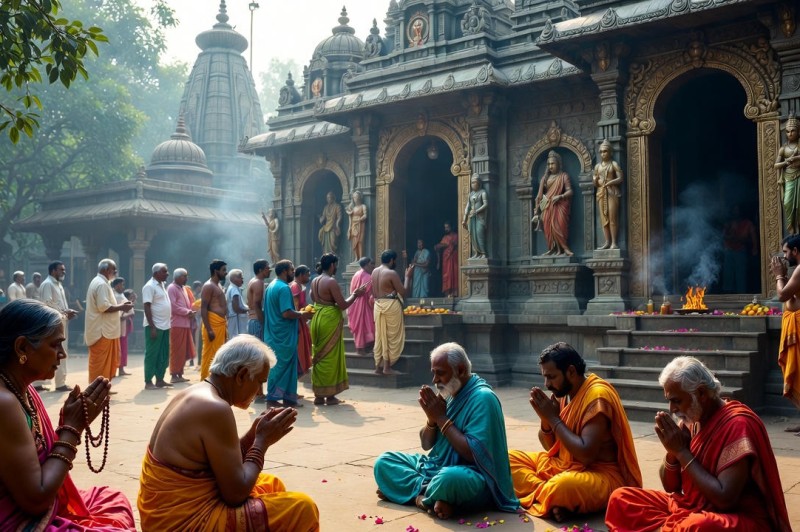
Never touch anyone's feet first in a temple, no matter how revered. Prioritize pranam to the deity—God is supreme there. Touching feet in His presence disrespects the divine space. Remedy: Step outside the temple sanctum before performing Charan Sparsh.
Do not touch the feet of someone performing puja at home or temple. It disrupts the ritual's sanctity and invites sin for both. Remedy: Wait until puja ends; a simple pranam suffices during the rite.
Touching the feet of someone sleeping or reclining is taboo. Folklore holds it shortens their life. Only the feet of the deceased are touched in rituals. Remedy: Wait until they awaken.
Avoid touching feet of elders or respected ones returning from a cremation (shmashan). They are ritually impure until bathed. Similarly, no Charan Sparsh in the cremation ground. Remedy: Touch after ritual purification (snana).
If you or the person is impure (e.g., during menstruation, post-death contact), skip Charan Sparsh. It affects both negatively. Remedy: Ensure ritual purity first.
Nephews or nieces should not touch uncle/aunt's (mama-mami) feet—they're considered worship-worthy. This invites sin on the elders. Remedy: Exchange blessings via pranam.
The husband-wife bond is one of equality and companionship. Husbands should never touch wives' feet, as it burdens her with sin. Remedy: Honor through love and mutual respect.
Charan Sparsh is a gem of Sanatan heritage, but adherence to rules elevates it from ritual to true devotion. Always prioritize purity, relationships, and context. If in doubt, consult a local pandit or acharya. By following these guidelines, you'll avoid pitfalls and deepen your spiritual journey. Keep Sanatan traditions alive—with wisdom!
Note: This article draws from scriptures and traditions. Seek expert advice for personal scenarios.