The sacred land of India has been home to several great saints who transformed society with their profound wisdom. Among them, Sant Kabir Das Ji stands as one of the most revolutionary mystic poets and social reformers. His couplets (Dohe) and teachings continue to guide humanity even centuries later. Every year, his birth anniversary or manifestation day is celebrated with immense joy on the Purnima (Full Moon) Tithi of the Jyeshtha month.
Followers of Kabir Ji (Kabirpanthis) and literature lovers celebrate this day as a grand festival. Let’s dive into the exact date, auspicious timings (Muhurat), and spiritual significance of Sant Guru Kabir Das Jayanti 2027.
According to the Hindu lunar calendar (Panchang), Sant Kabir Das Ji manifested on the Purnima Tithi of the Shukla Paksha in the month of Jyeshtha.
Kabir Jayanti 2027 Date: In the year 2027, Kabir Das Jayanti will be celebrated on June 18, 2027 (Friday).
A Unique Coincidence: On this very day, the historic Vat Purnima Vrat will also be observed, making this Jyeshtha Purnima exceptionally auspicious.
Purnima Tithi Begins: June 18, 2027, at 04:34 AM.
Purnima Tithi Ends: June 19, 2027, at 06:13 AM.
Following the Udayatithi rule (the tithi prevailing at sunrise), the Purnima starts early morning on June 18 and stays throughout the day. Therefore, all religious and cultural celebrations for Kabir Jayanti will be observed on Friday, June 18, 2027.
According to historical traditions, Sant Kabir Das Ji manifested in the year 1398 AD (Samvat 1455) on Jyeshtha Purnima.
The Mystery of Lahartara Pond: Traditional legends say that Kabir Ji was not born from a mother's womb. Instead, he was found as an infant resting on a blooming lotus flower in the 'Lahartara Pond' of Kashi (Varanasi). A childless Muslim weaver couple, Neeru and Neema, found him there and raised him as their own.
The Ultimate Social Reformer: Saint Kabir was a master who fearlessly spoke against untouchability, caste systems, and empty religious hypocrisies. He taught that humanity is the ultimate religion and preached the path of unconditional love and pure devotion.
On this auspicious day, grand events are organized across the country, especially in Varanasi (Kashi) and various Kabir ashrams:
Bhajans and Spiritual Discourses: Ashrams organize morning processions (Prabhat Pheris) and continuous recitations of Kabir's holy verses.
Dohe Recitation & Seminars: Schools and cultural centers hold poetry competitions and seminars where scholars discuss the relevance of Kabir’s philosophy in modern times.
Grand Processions (Shobhayatra): Beautifully decorated tableaus of Saint Kabir are taken out in various cities, inspiring people to adopt a path of 'simple living and high thinking'.
1. On Kind Words:
"Aisi bani boliye, mann ka aapa khoye, Auran ko sheetal kare, aapahu sheetal hoye." (Speak such kind and gentle words that shed your ego; it brings peace to others and keeps your own mind calm.)
2. On Procrastination:
"Kaal kare so aaj kar, aaj kare so ab, Pal mein pralay hoyegi, bahuri karega kab." (Do tomorrow's work today, and today's work right now. If a crisis strikes in a moment, when will you complete your task?)
3. On Introspection:
"Bura jo dekhan main chala, bura na miliya koy, Jo dil khoja aapna, mujhse bura na koy." (I went searching for evil people but found none. When I looked inside my own heart, I realized no one is more flawed than me.)
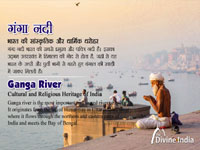
While historical records about his exact birthplace remain a subject of debate among historians, popular tradition firmly believes he was born in the holy city of Kashi (Varanasi). This was later confirmed by Kabir Das Ji himself in one of his famous verses:
"Kashi Mein Paragat Bhaye, Ramanand Chetaye"
(I appeared in Kashi, and Swami Ramananda awakened my spiritual consciousness.)
The spiritual mentor of Sant Kabir Das Ji was Swami Ramananda Ji, whom Kabir accepted as his Guru on the historic ghats of Kashi.
The primary collection of Kabir’s couplets, songs, and verses is called the 'Bijak'. Furthermore, many of his holy hymns are also beautifully preserved in the sacred Guru Granth Sahib of Sikhism.