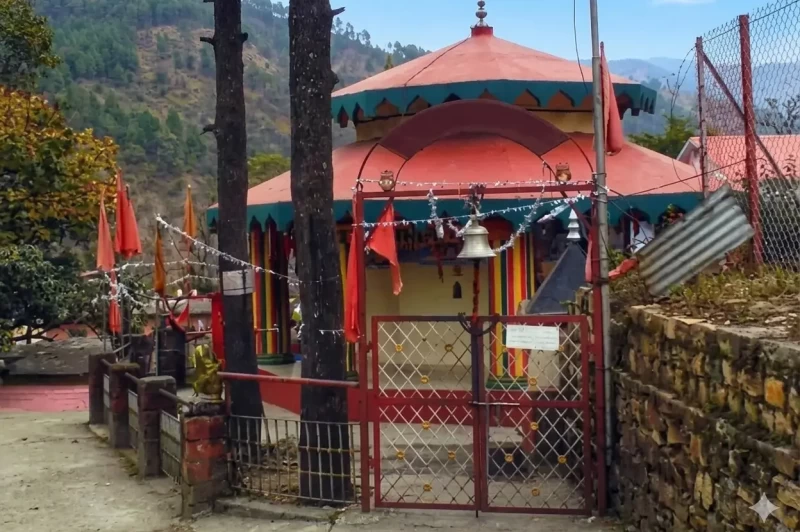
The sacred geography of Uttarakhand is deeply anchored by village deities, historical temples, and mystical legends. Situated beautifully in the historic Chamoli Village of the Garhwal region is the highly revered Chamolanath Temple. This shrine is not just a place of daily worship but is the cultural cornerstone of the valley; it is the very temple after which the entire border district of 'Chamoli' was officially named.
An Aspect of Lord Shiva: According to regional folklore and oral traditions, Lord Chamolanath is worshipped as a powerful, benevolent manifestation of Lord Shiva.
The Guardian Deity (Bhumiyal): For the residents of Chamoli village and numerous surrounding hamlets, Lord Chamolanath is their supreme Bhumiyal or Kshetrapal (the protective guardian deity of the land). Local families invoke His name before any auspicious occasion, believing His presence safeguards the valley from natural calamities and disease.
The Katyuri Architectural Influence: The structure of the Chamolanath temple showcases the rich traditional Himalayan stone-and-wood architecture, reminiscent of the classical Katyuri era. Built using locally sourced dressed stones and dynamic wooden carvings, the temple blends seamlessly into the mountain landscape.
Serene Ambience: Located on the ridges overlooking the Alaknanda river valley, the temple courtyard remains enveloped in a crisp, meditative quiet, making it an ideal spot for spiritual introspection.
The temple transforms into a vibrant hub of Garhwali culture during regional festivals:
The Annual Fair (Mela): A grand annual socio-religious fair is hosted at the temple premises, drawing thousands of natives, married daughters returning to the village, and pilgrims from across the state.
Maha Shivratri and Shravan: Special Vedic rituals, continuous chanting, and community feasts (Bhandaras) are organized during the holy month of Shravan and on the night of Maha Shivratri to honor the deity's Shaivite roots.