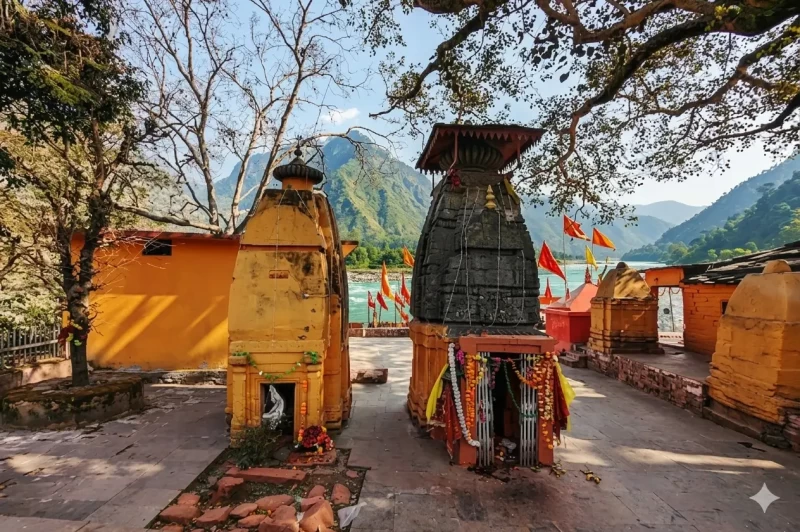
Hidden among the misty valleys and sacred confluences of Uttarakhand lie several powerful seats of Shakti (Siddhapeeths) whose histories are deeply intertwined with the Mahabharata epic and the medieval dynasties of the Himalayas. One such highly revered and spiritually charged sanctuary is the Chandika Devi Temple, located in Simli near Karnaprayag in the Chamoli district. Standing gracefully on the banks of the turquoise Pindar River, this shrine is a major epicenter of faith, folklore, and Kumaon-Garhwal cultural harmony.
The Mahabharata Connection: According to regional folklore, during their final journey towards the Himalayas (Swargarohana), the Pandava brothers halted at this scenic valley. To seek atonement for the horizontal casualties of the war and to praise the supreme cosmic energy, they performed intense penance and organized the Pandav Nritya (a ritualistic dance reenacting their epic journey) in front of Goddess Chandika.
The Pindar River Embankment: The temple complex is directly situated along the banks of the gushing Pindar River (which originates from the Pindari Glacier and flows down to meet the Alaknanda at Karnaprayag). The continuous, rhythmic sound of the river combined with the crisp mountain air creates an instantly meditative environment.
The Manifestation of Shakti: The inner sanctum houses a beautifully sculpted idol of Maa Chandika, radiating absolute grace and protective power. She is worshipped here as the destroyer of evil, internal anxieties, and negative planetary blocks.
Katyuri Structural Legacy: The style and historical roots of the area hint at the classic Katyuri architectural timeline of Garhwal. Over the centuries, local village committees and devotees have beautifully maintained and restored the shrine without compromising its pristine Himalayan temple charm.
The temple becomes a lively theatre of Garhwali devotion during auspicious seasons:
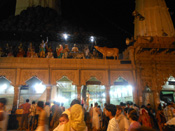
The Grand Navratri Festivities: During both Chaitra and Sharad Navratri, thousands of pilgrims descend upon Simli. The temple echoes with continuous Chandi Path recitations, Vedic hymns, and community feasts (Bhandaras).
Pandav Lila Performances: The temple periodically hosts traditional Pandav Lila or Pandav Nritya festivals, a unique cultural performance where actors are believed to be temporarily possessed by the spirits of the Pandavas, drawing cultural enthusiasts from across the state.