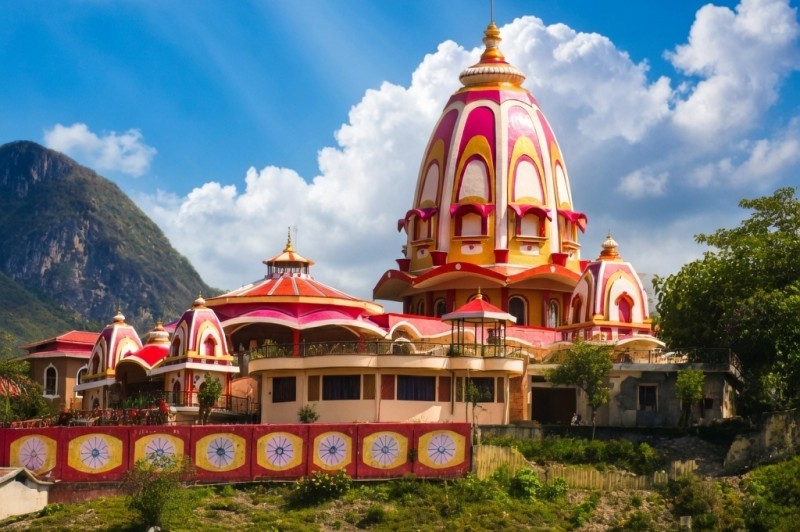
he Kamakhya Devi Temple in Pithoragarh, Uttarakhand, is a revered spiritual destination perched at an altitude of approximately 1,624 meters in the majestic Himalayas. Located about 7 kilometers from the main Pithoragarh town in the quiet village of Kusoli, this temple is dedicated to Goddess Kamakhya, the "Goddess of Desire".
Shakti Peetha Tradition: The temple is deeply connected to the 51 Shakti Peethas. While the original Kamakhya Temple is in Assam, this Himalayan shrine was established by devotees who sought a sacred site closer to their home in the Kumaon region.
Divine Origin: Legend states that during Lord Shiva's grief-stricken journey with Sati's body, her yoni (womb) fell at the site of the original Kamakhya, and this temple pays homage to that same powerful feminine energy.
Establishment: The current temple structure in Pithoragarh was built by Madan Sharma and his family. In 1972, a specialized idol of the Goddess was brought from Jaipur and installed within the complex.
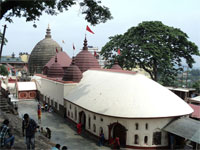
Design: The temple features traditional North Indian architecture characterized by a curved dome, carved pillars, and vibrant flags.
Tantric Importance: Similar to its counterpart in Assam, this temple holds significant importance for Tantric practitioners seeking siddhis (spiritual powers).
Healing Faith: Devotees visit the shrine seeking solutions for various life challenges, including marital bliss, financial stability, and the cure for physical or mental ailments.
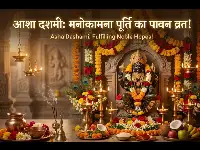
This temple is dedicated to Maa Kamakhya, a form of Goddess Parvati and considered the presiding deity of wish fulfillment. The idol here is unique – a magnificent six-headed statue of Maa Kamakhya is installed, bestowing immense power and divine experiences upon devotees.
The temple's location is so captivating that the mind becomes calm upon arrival. The surrounding snow-capped peaks bathed in sunlight, dense pine forests, and serene atmosphere make it a spiritual destination. Situated on a hilltop, it offers stunning views of Pithoragarh town, the Sor Valley, and the surrounding mountain ranges. Visiting the Mother Goddess in this peaceful atmosphere is truly a divine experience.
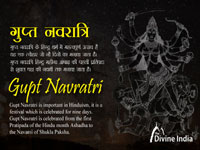
Regular worship is performed at the temple. Devotees flock here, especially during Navratri. The Akhand Jyoti burns for nine days, and offerings are made along with the Ashtottara Puja. Special events are also held on other major occasions, such as Makar Sankranti, Janmashtami, and Mahashivratri. Devotees come from far and wide to make wishes and offer thanks when they are fulfilled. It is said that sincere prayers here are always fruitful.